
What Is Lyme Disease? Symptoms, Causes, and Treatment
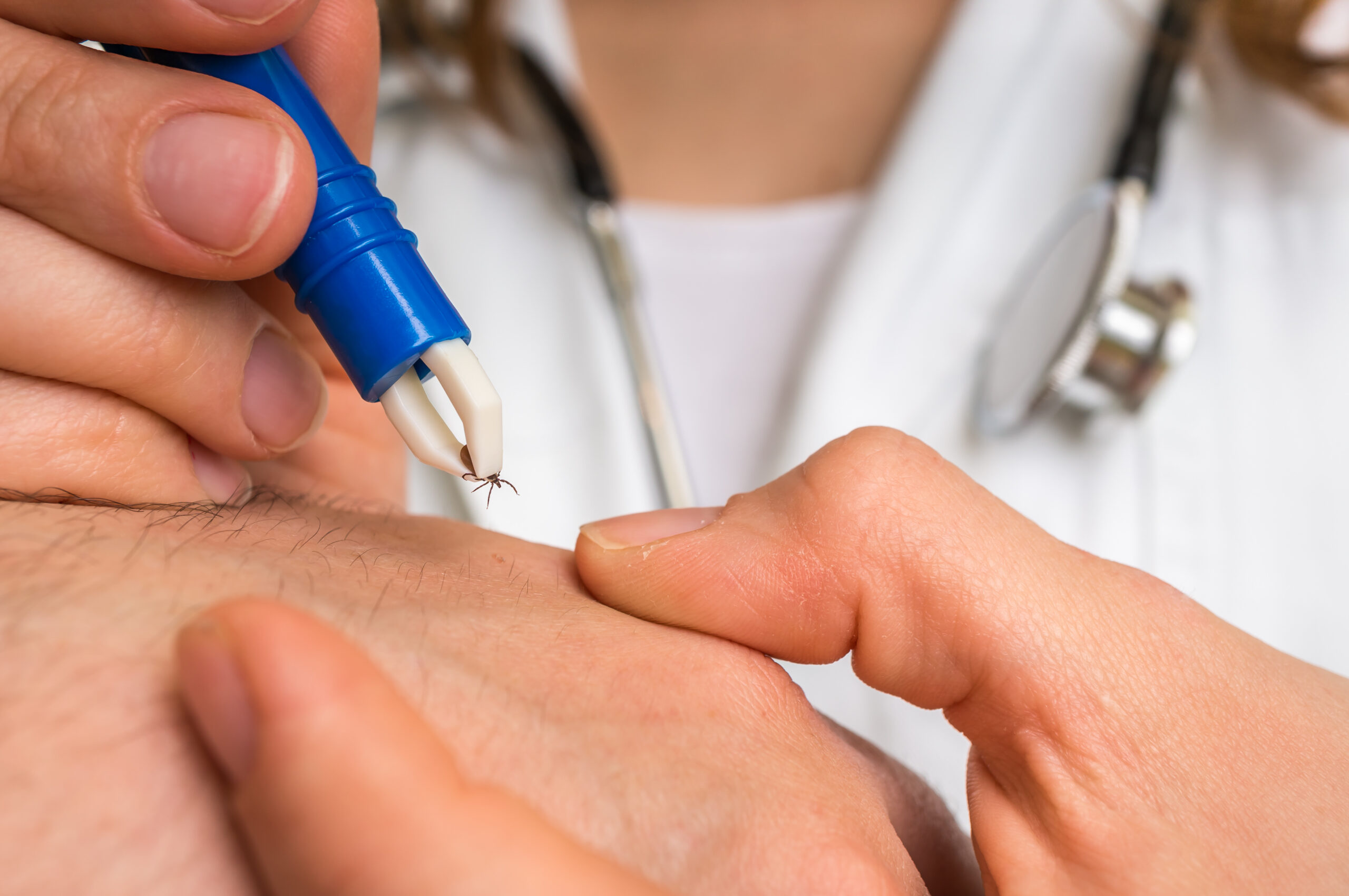
Lyme disease is a bacterial infection transmitted by the bite of the black-legged tick that carries the bacteria. In America, the common bacterium causing Lyme disease is Borrelia burgdorferi. Less frequently, Borrelia mayonii causes the disease. Some of its typical symptoms are fever, headache, fatigue, and erythema migrans rash.
In many cases, the early signs are easy to miss. Tick bites are often painless, and the rash does not always have the classic bull’s-eye shape that most people expect. Sometimes the most noticeable symptoms are fatigue, body aches, or a general sense of feeling unwell. Fortunately, most cases of Lyme disease respond well to prescribed antibiotics, especially when treatment starts early.
What Causes Lyme Disease?
Lyme disease is the result of infection by Borrelia bacteria, which are transmitted through infected black-legged ticks. Humans contract Lyme disease when bitten and infected by a tick that remains attached for a sufficient length of time. Generally, attachment for at least 36 hours or more is necessary for infection to occur.
Ticks are found primarily in the northeastern, mid-Atlantic, and upper midwestern parts of the country; however, Lyme disease is not limited to these regions, and cases have been reported throughout the United States. Exposure to wooded areas, brush, high grass, or even your own backyard increases the risk of contracting Lyme disease.
Common Lyme Disease Symptoms
Lyme disease does not always present itself in the same way. The symptoms will vary according to the length of time the infection has occurred and its stage of development. For some individuals, symptoms appear early, whereas for others, they may not be realized until much later on.
Stage 1: Early Lyme Disease
This first stage usually shows up within days to a few weeks after a tick bite. Common early signs can include:
- fever
- headache
- unusual tiredness
- body aches or joint discomfort
- swollen lymph nodes
- erythema migrans rash
The erythema migrans rash is one of the most recognizable signs of Lyme disease, but doesn’t always appear the way you think it would. It may expand gradually and may or may not have the classic bull’s-eye pattern.
Stage 2: Lyme Disease That Has Started to Spread
If the infection is not treated early, symptoms can begin affecting other parts of the body. At this point, a person may notice:
- more than one rash
- neck discomfort or stiffness
- facial drooping or weakness
- pain, tingling, or numbness in the arms, hands, legs, or feet
- shooting or radiating pain
- changes in heart rhythm
This stage can feel less like a simple illness and more like a mix of symptoms that do not seem obviously related at first.
Stage 3: Late-Stage Lyme Disease Symptoms
In later-stage Lyme disease, symptoms often become more focused in the joints, especially the larger joints. This stage may include:
- swelling in one or more large joints
- recurring joint pain, especially in the knees
- stiffness that comes and goes
- lingering inflammation in affected joints
Not every patient goes through all three stages in their precise order. There is an overlap in symptoms, and not everyone experiences them in exactly the right stage or even experiences all three stages.

What the Lyme Disease Rash Looks Like
A lot of people know Lyme disease by the “bull’s-eye rash,” but that description can be misleading. The rash can be solid, oval, circular, or unevenly red. Some people never notice one at all, and others may have one in a place that is hard to see.
That is one reason why Lyme disease can be easily missed or incorrectly self-diagnosed. It does not always look exactly the way people expect.
How Lyme Disease Is Diagnosed
Diagnosis usually involves a combination of:
- your symptoms
- a history of possible tick exposure
- a physical exam
- blood testing when appropriate
One important detail is timing. Blood tests can be falsely negative in the first few weeks of infection, especially when the erythema migrans rash is present. That is why early diagnosis is not always about waiting for a lab result. Sometimes the clinical picture matters more.
How Lyme Disease Is Treated
Lyme disease is treated with antibiotics. The most commonly used antibiotics include:
- doxycycline
- amoxicillin
- cefuroxime axetil
The exact antibiotic and length of treatment depend on the stage of illness, the symptoms involved, and the person being treated. For early Lyme disease, standard oral treatment is often around 10 to 14 days, though the course can vary depending on the situation.
When Lyme disease affects the nervous system or causes more advanced complications, treatment may be longer or may involve intravenous antibiotics in some cases.
Most people treated appropriately in the early stages recover rapidly and completely.
Can Symptoms Continue After Treatment?
In certain cases, individuals can experience fatigue, joint pains, or other symptoms even when their treatment process is completed. While this may occur in some people, extended use of antibiotics is neither beneficial nor safe.
This explains why post-Lyme syndrome needs careful evaluation since the presence of symptoms does not necessarily indicate ongoing infection.
When to See a Doctor
It is worth reaching out promptly if:
- you had a tick bite and then developed a rash, fever, headache, or unusual fatigue
- you live in or visited an area where Lyme disease is common and now feel ill
- you notice facial drooping, joint swelling, heart palpitations, or new neurologic symptoms after tick exposure
The earlier Lyme disease is recognized and treated, the better the chances of avoiding more serious complications.
Lyme Disease Prevention: How to Lower Your Risk
Prevention matters, especially in tick-prone areas. Helpful steps include:
- using insect/tick repellent
- wearing protective clothing in tick habitat
- doing tick checks after spending time outdoors
- showering shortly after coming inside
- removing ticks promptly and correctly
What to Know About Lyme Disease
Lyme disease is a tick-borne bacterial infection that can cause fatigue, fever, headache, and a rash. When it is recognized early, antibiotics are usually very effective.
If your symptoms line up with a recent tick bite or time spent outdoors in an area where Lyme disease is common, it is worth taking them seriously.
Looking for More Support Around Lyme Symptoms?
If you are dealing with Lyme disease symptoms, lingering fatigue, brain fog, joint pain, or health changes that do not feel fully explained, Terrain Health can help you look at the bigger picture.
Book a Discovery Call today to talk through your symptoms, your history, and what a more thoughtful, whole-body plan could look like.
About Dr. Robin Rose
Dr. Robin Rose is a board-certified gastroenterologist and internal medicine physician and the founder of Terrain Health. She specializes in root-cause, precision medicine using advanced biomarker testing, microbiome analysis, and personalized treatment protocols to optimize health and longevity.