What Is Regenerative Medicine? The Ultimate Guide
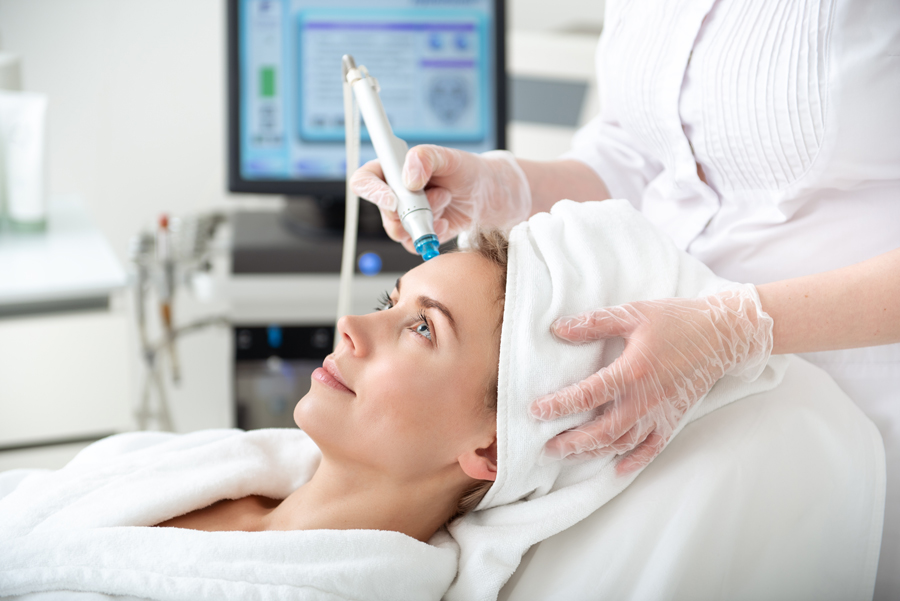
Regenerative medicine is a growing area of healthcare focused on repairing, replacing, or restoring damaged cells, tissues, and organs. This type of treatment includes not only certain kinds of stem cell therapy but also new technologies, including PRP therapy, tissue engineering, gene therapy, biomaterials, and more.
What makes regenerative medicine different is its focus on restoring function rather than only managing symptoms. Some treatments are already part of standard medical care, while others are still being studied, so it is important to understand which approaches are well established and which remain experimental.
What Is Regenerative Medicine?
Regenerative medicine develops ways to help repair or replace cells and tissues damaged by injury, disease, aging, or congenital conditions. The body already has some ability to heal itself. For instance, the skin heals after it has been injured, bones heal after being broken, and blood cells regenerate constantly. Some tissues have a much more limited ability to repair themselves. Regenerative medicine explores ways to support or recreate those repair processes when the body cannot do enough on its own.
Researchers are investigating how we can promote or artificially achieve that process through the use of cells, bio-materials, engineered tissues, or other forms of medicine.
How Does Regenerative Medicine Work?
There is no single regenerative medicine treatment. Some therapies use cells that may help replace or support damaged tissue, while others rely on growth factors, biological signals, engineered materials, or genetic techniques designed to influence how cells behave.
Depending on the treatment, the aim may be to replace damaged cells, support natural healing, improve tissue function, or create a structure that helps new tissue develop. How much repair is possible depends on the condition, the tissue involved, and the treatment being used.
Regenerative medicine is not a universal solution, and results can vary considerably from one application to another.

What Are the Main Types of Regenerative Medicine?
Stem Cell Therapy
Stem cells can make copies of themselves and, depending on the type, develop into specialized cells. One of the best-established uses is blood-forming stem cell transplantation for certain cancers and blood disorders.
Researchers are also studying stem cells for conditions involving joints, nerves, the heart, eyes, and other tissues. However, that does not mean every treatment marketed as “stem cell therapy” is proven or approved. Many consumer-facing stem cell treatments remain experimental.
Platelet-Rich Plasma
Platelet-rich plasma, or PRP, is derived from a patient’s own blood. The blood is processed to concentrate platelets, which contain growth factors involved in healing and tissue repair.
PRP is used in some orthopedic and sports medicine settings for certain tendon, joint, and musculoskeletal problems. Evidence varies depending on the condition being treated, so PRP should not be viewed as equally effective for every injury or source of pain.
Tissue Engineering
Tissue engineering involves the combination of cells with engineered materials or scaffolds that encourage the growth of the tissue. Applications under investigation include skin, cartilage, bone, blood vessels, and other complicated tissues.
Some are in clinical use, whereas some are still under investigation. The objective of such research is to produce artificial tissue which is functionally similar to natural tissue.
Gene and Cell Therapies
Some regenerative approaches work by changing how cells function at the genetic level. Gene therapy can add, replace, or modify genetic material, while certain cell therapies can be altered to perform a specific role in the body.
These treatments are already used for some serious diseases, but they are highly specialized and very different from general wellness or anti-aging treatments.
Is Regenerative Medicine the Same as Stem Cell Therapy?
No. Stem cell therapy is only one part of regenerative medicine. The field also includes tissue engineering, PRP, biomaterials, gene therapy, and other approaches aimed at restoring tissue or biological function.
The terms are sometimes used interchangeably in marketing, which can make it difficult to know exactly what treatment is being offered. If a treatment is described as regenerative, ask what it actually contains and what evidence supports that specific use.
What Conditions Can Regenerative Medicine Treat?
Some regenerative treatments are already established for specific medical conditions, while others remain experimental. Current or developing applications include blood and immune disorders, tendon and ligament injuries, cartilage and joint problems, bone repair, neurological conditions, heart disease, diabetes, eye disease, and tissue damage caused by injury or illness.
The most important thing about this is the fact that just because there has been good research on an issue, it does not mean that it can now be used in the clinical setting.

What About Exosome Therapy?
Exosomes are microscopic vesicles secreted from cells that transport proteins, genes, and signaling molecules. Scientists are investigating their use in tissue healing, inflammation, and pharmaceutical delivery.
However, exosome therapy is still an emerging area, and consumer marketing has moved faster than the research. That does not mean exosome research lacks potential, but it does mean these treatments should not be presented as established before the evidence is there.
Can Regenerative Medicine Reverse Aging?
No regenerative treatment has been shown to reverse aging throughout the entire body. Aging involves changes across many systems, including metabolism, cardiovascular health, immune function, hormones, muscle, the nervous system, and cellular repair.
A therapy that helps one tissue or condition should not automatically be described as reversing aging. Claims that a treatment can make someone biologically younger or extend lifespan should be treated cautiously.
Does Regenerative Medicine Actually Work?
Some forms do. Blood-forming stem cell transplantation and certain cell and gene therapies are established treatments for specific diseases, while other regenerative therapies show promise but have less certain evidence.
This is the reason why when you hear the term “regenerative medicine,” you cannot determine whether or not it works. The important thing is the specific treatment method, its application, research background, possible risks, and alternatives.
Is Regenerative Medicine FDA-Approved?
Some regenerative medicine products are FDA-approved for specific uses, but many others are not. FDA regulates certain cell therapies, gene therapies, tissue-based products, and other regenerative treatments.
Approval is treatment-specific and condition-specific. A product being described as regenerative does not mean it has been approved for the condition you are treating, so it is important to ask about regulatory status before moving forward.
Regenerative Medicine Risks
Risks vary depending on the treatment and may include infection, immune reactions, contamination, injection-related complications, abnormal tissue growth, treatment failure, or delaying proven medical care.
Unapproved treatments can carry additional uncertainty because manufacturing quality, dosing, cell composition, and long-term effects may not be well understood. Even a treatment made from your own cells is not automatically risk-free.
How Can You Evaluate a Regenerative Medicine Treatment?
Before moving forward with treatment, it helps to know exactly what is being offered and what evidence supports it. A provider should be able to explain:
- what the treatment contains
- what condition it is intended to treat
- what human research supports that use
- whether FDA approval is required
- what the known risks are
- what improvement should realistically look like
- how progress will be measured
Be cautious when one treatment is promoted for a long list of unrelated conditions. The broader the claims, the more important it becomes to look closely at the evidence behind them.
Regenerative Medicine vs. Longevity Medicine
Regenerative medicine and longevity medicine can overlap, but they are not the same. Regenerative medicine focuses more specifically on repairing or replacing damaged cells, tissues, or biological function.
Longevity medicine takes a broader approach to protecting healthspan and can include cardiovascular health, metabolism, hormones, muscle strength, cognition, nutrition, sleep, inflammation, and preventive care. Regenerative therapies may become a larger part of longevity medicine over time, but they are only one piece of the larger picture.
How Terrain Health Approaches Emerging Therapies
At Terrain Health, newer therapies are considered within a broader, personalized health plan rather than used as stand-alone solutions. We look at your medical history, symptoms, laboratory findings, lifestyle, and long-term health priorities before deciding whether an emerging treatment makes sense.
Nutrition, metabolic health, hormones, digestion, sleep, inflammation, and recovery can all influence how someone feels and functions over time. The right treatment depends on the individual, the condition being addressed, and the quality of the evidence behind it.
Learn More About Personalized, Forward-Looking Care
Regenerative medicine has already impacted treatment for certain diseases, and future research might lead to further improvements in the coming years. On the other hand, the field continues to incorporate techniques that are not yet thoroughly tested, making thorough assessment very crucial.
If you have an interest in regenerative medicine, longevity, and other innovative approaches to wellness, schedule a Discovery Call with Terrain Health today to discuss which options may make sense within a personalized care plan.
About Dr. Robin Rose
Dr. Robin Rose is a board-certified gastroenterologist and internal medicine physician and the founder of Terrain Health. She specializes in root-cause, precision medicine using advanced biomarker testing, microbiome analysis, and personalized treatment protocols to optimize health and longevity.